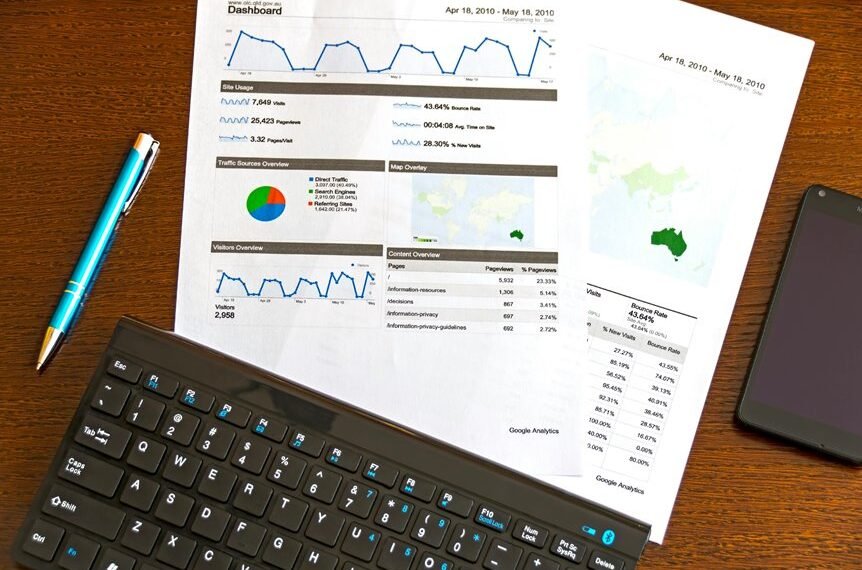
The study of economic trends associated with the identifiers 8007484843, 774533388, 8776549211, 8033696890, 22104000, and 3518543351 uncovers significant insights into market dynamics. By examining these figures, analysts can discern patterns in growth rates, inflation, and consumer spending. Such data-driven analysis is vital for stakeholders aiming to navigate an evolving economy. The implications of these findings may reveal critical strategic opportunities for businesses, but what specific shifts are on the horizon?
Overview of Economic Indicators
Economic indicators serve as critical barometers for assessing the health and direction of an economy.
Key metrics, including economic growth, inflation rates, and unemployment trends, inform stakeholders about prevailing conditions.
Interest fluctuations influence investment strategies, while fiscal policies dictate government spending and taxation.
Collectively, these indicators provide insights essential for individuals seeking economic freedom and strategic decision-making in a dynamic marketplace.
Analysis of Market Behaviors
While various factors influence market behaviors, understanding the interplay between consumer sentiment and investor psychology is crucial for analyzing trends.
Market volatility often drives changes in pricing strategies, as businesses adapt to fluctuations in demand and supply.
Consumer Patterns and Trends
How do shifts in consumer behavior reflect broader societal changes?
Changes in spending habits and purchase preferences indicate evolving brand loyalty influenced by demographic factors.
The rise of online shopping highlights seasonal trends and varying price sensitivity among consumers.
Economic confidence affects these patterns, showing how societal attitudes shape consumer choices and ultimately impact market dynamics.
Understanding these trends is crucial for strategic planning.
Implications for Future Economic Shifts
As consumer behavior continues to evolve, the implications for future economic shifts become increasingly significant.
Future projections indicate that adaptability will be crucial for businesses aiming to enhance economic resilience. Factors such as technological advancements, demographic changes, and sustainability trends will dictate market dynamics.
Understanding these elements is essential for stakeholders seeking to navigate the complexities of an ever-changing economic landscape.
Conclusion
In conclusion, the examination of economic indicators associated with the identifiers reveals a complex tapestry of market behaviors and consumer preferences. These intricate threads, woven together, illuminate the pathways businesses must navigate in an ever-evolving economic landscape. By understanding these patterns, stakeholders can craft strategies that not only withstand the tides of change but also harness emerging opportunities, ultimately forging a resilient and sustainable future amid the relentless currents of market dynamics.