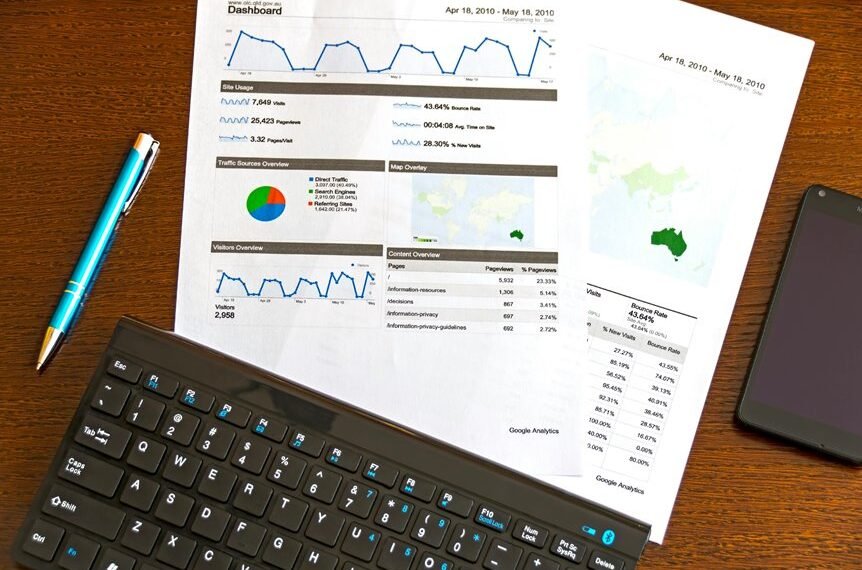
The analysis of economic data points such as 630300273562000 and 607100900 reveals significant trends in global trade and investment. These figures indicate shifts in trade patterns that can reshape economic landscapes. Furthermore, they highlight the influence of technological advancements on various sectors. Understanding these dynamics is crucial for policymakers as they navigate the complexities of an interconnected economy. The implications of these changes warrant further exploration to grasp their full impact.
Understanding the Significance of Economic Data Points
Although economic data points may appear as mere numbers, they hold profound significance in understanding the health and trajectory of economies worldwide.
Economic indicators, such as GDP and unemployment rates, serve as critical benchmarks for data interpretation. By analyzing these metrics, stakeholders can discern underlying trends, make informed decisions, and advocate for policies that promote economic freedom and resilience in a dynamic global landscape.
Analyzing Global Trade Patterns
How do global trade patterns reveal the interconnectedness of national economies?
Analyzing trade flow illustrates how countries adapt import tariffs and develop export strategies to navigate regional markets. These patterns indicate mutual dependencies, as shifts in one economy can ripple through others.
Understanding these dynamics enables nations to optimize their trade policies, fostering economic growth while promoting freedom in global commerce.
The Impact of Investment Trends on Economies
As investment trends shift in response to global economic conditions, they profoundly influence national economies and their growth trajectories.
Investment shifts redirect capital flows, impacting sectors such as technology and infrastructure.
Nations adapting to these trends can foster innovation and resilience, while those resistant may experience stagnation.
Understanding these dynamics is crucial for policymakers aiming to enhance economic freedom and growth sustainability.
Technological Advancements and Their Economic Implications
While technological advancements shape the landscape of global economies, their implications extend far beyond mere innovation.
Automation benefits enhance productivity, while AI innovations drive efficiency across various sectors.
The rise of digital currencies and blockchain applications revolutionizes finance, fostering transparency.
Additionally, remote work has become a norm, propelling e-commerce growth, thus reshaping consumer behavior and creating new market opportunities in an increasingly digital world.
Conclusion
In conclusion, the intricate interplay of economic data points underscores the necessity for nations to adapt to evolving global dynamics. For instance, a recent report indicates that global foreign direct investment reached a staggering $1.5 trillion in 2022, highlighting the critical role of investment trends in shaping economic resilience. By leveraging data-driven insights, policymakers can craft strategies that not only respond to current challenges but also harness opportunities for sustainable growth in an interconnected world.